

Pier & Beam Foundation Repair in Jefferson, GA
Pier and beam foundation repair in Jefferson, GA. We fix crawl space moisture before replacing wood, so new beams do not rot again. Shims from $75.
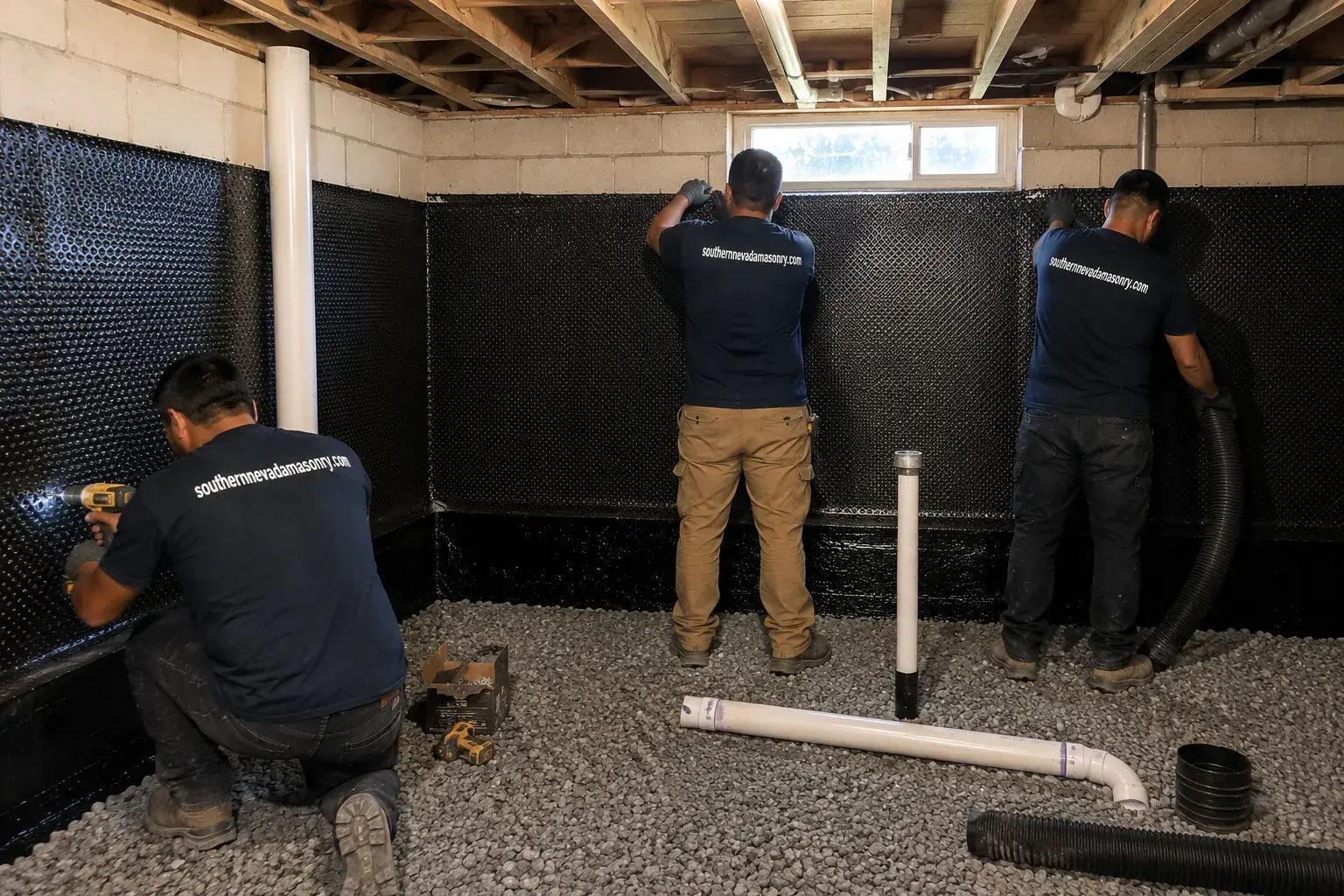

Best Pier & Beam Foundation Repair in Jefferson, GA
A pier and beam house works like a table. Wooden beams carry the floor, the beams rest on piers, and the piers rest on concrete pads sitting in the dirt. Everything above the pads is wood, and wood sitting a few feet above damp soil is the whole story of this repair trade.
That is why almost every quote you get for pier and beam foundation repair near me lists the same four items.
Shimming is the smallest. Steel or composite plates go between the pier top and the beam to close a gap and bring the floor back to level. It works when the pier is sound and has dropped a quarter inch to an inch, and it runs about $75 to $300 per pier.
Pier replacement comes next, when the old pad and block has crumbled or sunk past what a shim can fix. New piers run $400 to $1,500 each depending on depth and soil.
Then wood. Sistering means bolting a new member alongside a sagging one, $200 to $600 a location. A rotted sill plate section runs $500 to $2,000. Replacing a full beam runs $2,000 to $7,000 depending on length.
Whole projects usually land between $5,000 and $15,000. Bad ones with widespread rot reach $24,000 and up.
Working room decides a lot of that. A crawl space you can sit up in is a different job from one where a person is dragging tools on their stomach, and tight clearance adds thirty to fifty percent to labor. That is the single biggest reason two quotes on similar houses come back so far apart.
Simple shim and reset work finishes in a day. Wood replacement takes two to three.
Now the rule that matters more than any of it. Never let anyone replace wood before the moisture is dealt with. New lumber in a wet crawl space rots in five to ten years no matter what grade it is, so you will be paying for the same beams twice.
Fix the water first. Every time.
That means a six mil vapor barrier covering all of the exposed ground, gutters that actually discharge away from the house, soil graded to fall away from the perimeter, and the crawl space either properly vented or sealed and dried. Replacement framing should be pressure treated and rated for ground contact.
A borate treatment on new wood at the time of repair is cheap insurance in termite country, because subterranean termites want exactly what a damp crawl space provides. It is not a termite treatment and no honest contractor will call it one.
The unexpected part, and it catches people every time, is that levelling a pier and beam house sometimes cracks things upstairs. Drywall that settled into a sloped position for thirty years gets pushed back and the tape lets go. Doors that finally closed stop closing. That is normal on a lift, and a good crew tells you before, not after.
So we go slowly. Raising a quarter inch at a time over several passes causes far less damage than winching a floor back in one afternoon.
But this is not always the right fix. A floor that feels bouncy between the joists is a framing span problem, not a pier problem, and adding piers under it will not stop the bounce. And if the whole house has dropped evenly with no cracking and no sticking doors, you may just have an old house that settled once and stopped.
Watch the contract for what leveling actually means. Most pier and beam houses cannot be brought perfectly flat, and a reasonable finished tolerance should be written down rather than assumed.
We have crawled under houses across Jefferson, GA for 21 years, and we will not quote wood replacement without quoting the moisture work alongside it. If you searched pier and beam foundation repair near me because a floor is sloping or something smells musty underneath, call (833) 769-2615 and we will get under there first.